

Our Commitment to Safety
What Does Part 135 Mean?
Capital Air Express is an FAA-certificated Part 135 charter operator. In simple terms, that means we operate under a level of FAA oversight and established safety standards designed specifically for commercial air transportation—much like the structured oversight you expect from an airline. That oversight extends across the entire company, from the people making operational decisions on the ground to the pilots flying the aircraft and the teams responsible for keeping them maintained. The FAA sets standards for how we operate, how our pilots are trained and checked, how our aircraft are maintained and inspected, and how we manage things like crew duty time, recordkeeping, and drug and alcohol testing. We’re also subject to ongoing FAA oversight to ensure those standards continue to be met. Flying private may feel much more personal and flexible than flying an airline, but behind the scenes, it is still a highly regulated commercial operation.

Safety Leadership
A culture of safety starts at the top, and is driven by the leadership of Capital Air Express to be uncompromising and as risk adverse as possible.
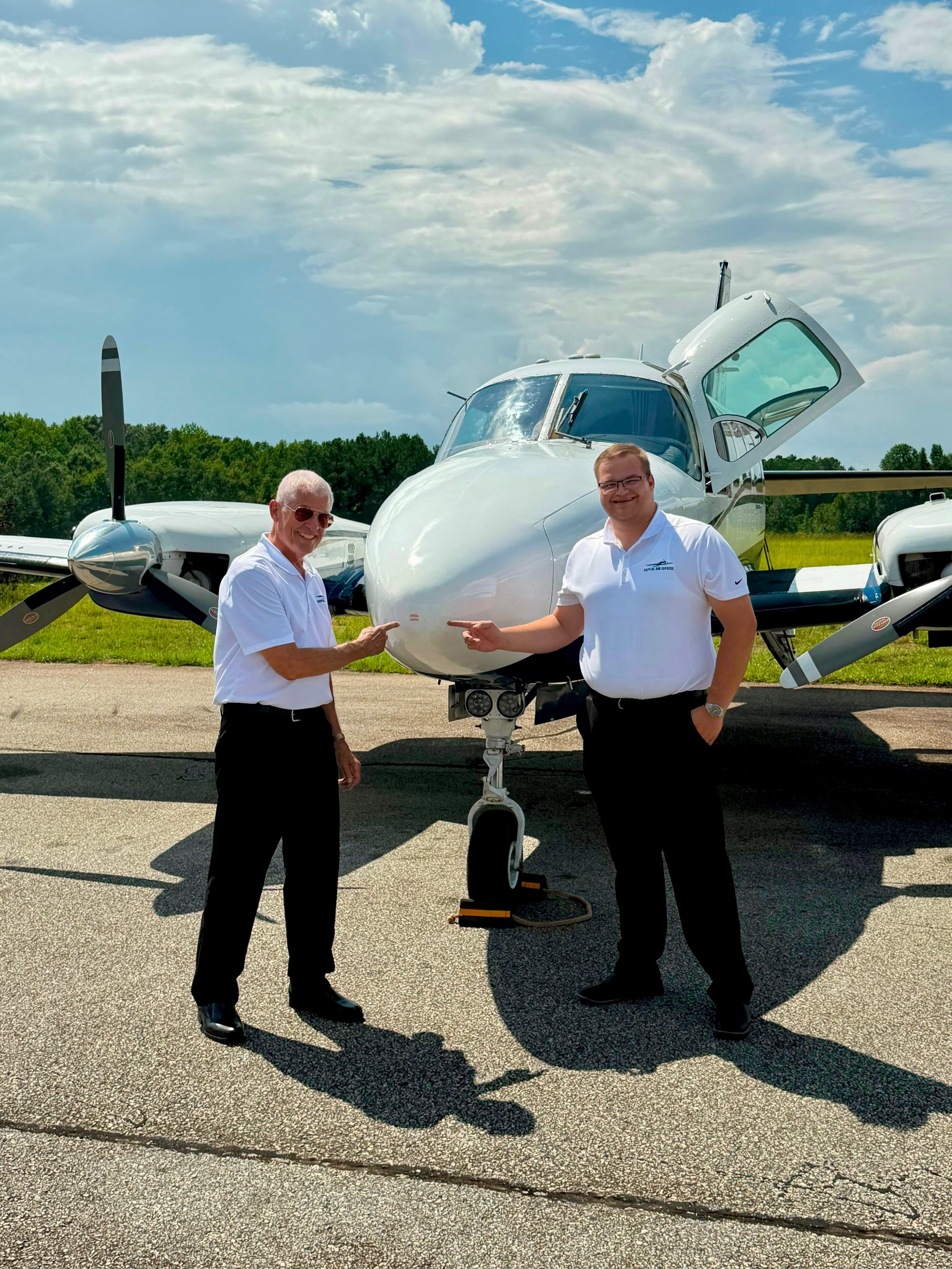
Andrew is not only the Chief Pilot and President of Capital Air Express, but also a 20-year aviation safety veteran, specializing in implementing safety programs, promoting safety culture and risk management. Starting with an education at Embry-Riddle Aeronautical University specializing in Aviation Safety Programs to a professional career culminating in responsibility for safety programs at 54 airports and 16,000 employees in North America, Andrew continues the focus on maintaining a safe operation as our first priority and highest calling to keep our passengers safe and comfortable.


Safety Management System
FAA Certificate holders, like Capital Air Express, are required to maintain an approved 14 CFR Part 5 Safety Management System (SMS) to constantly evaluate potential concerns and reduce any risks in the operation to maintain the highest possible safety standards. This SMS is constantly evolving and includes a pre-flight risk assessment for each trip, ongoing training, lessons learned and sharing of best practices, and conducting both internal and external audits of our operations to promote a culture of continuous improvement throughout the company.
Professional Pilots, Supported by a Professional Team
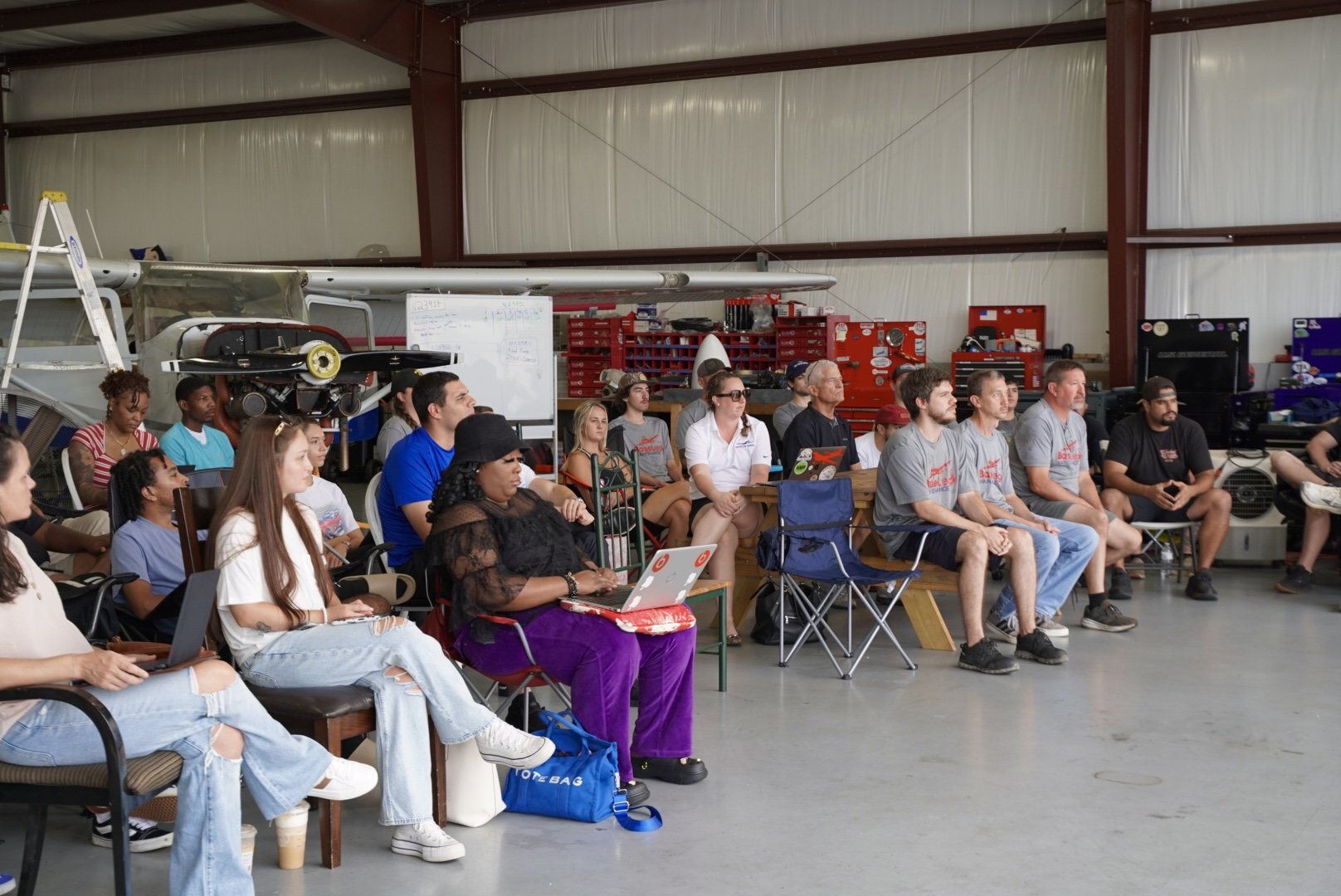
At Capital Air Express, every pilot is a full-time W-2 employee rather than a contract pilot. That means our pilots fly our aircraft day in and day out, becoming deeply familiar with the airplanes they operate, our procedures, and our safety culture. They are subject to background checks, drug and alcohol testing requirements, ongoing training and company oversight—and, just as importantly, we know the people we put in the cockpit personally.
Our pilots also receive healthcare, PTO, and the support of a sufficiently staffed pilot team. If someone is sick, fatigued, or simply not in a position to safely fly, we want them to take the day off. We can replace a crew member rather than creating pressure to complete a flight. We believe pilots make better safety decisions when they know the company will support them in making the conservative call.
External Safety Certification
Capital Air Express achieved Wyvern Registered Operator status in 2024.
You can read more about the Wyvern program and the Press Release here.
Backup Traffic and Situational Awareness
All Capital Air Express aircraft are equipped with a ForeFlight Sentry which provides weather, traffic and other flight planning advisories, redundant and independent from the avionics and instruments installed on the aircraft to provide our pilots with a high level of situational awareness, and ultimately a safer flight.
Redundant Satellite Weather Information
Capital Air Express aircraft are equipped with Sirus XM Aviation Satellite Weather, providing a backup to our backup, allowing for an additional resource to keep our passengers out of bad weather and find smooth air for your flight.
For more information on how we handle inclement weather, visit our Weather & Operations page.

Quarterly Safety Stand-Down Days
Each quarter, we bring our entire team together for a dedicated Safety Stand Down: time intentionally set aside to step away from daily operations and focus fully on the systems, decisions, and habits that keep our passengers safe.
These meetings go beyond routine training. We review real-world scenarios, evaluate our own operations with a critical eye, and openly discuss opportunities to improve. Pilots, maintenance, and operations all come to the table, ensuring that safety is approached from every angle—not in silos, but as a shared responsibility. Learn more about our Safety Stand Down Days.
For 2026 those remaining dates are: October 28th.
For 2027 those dates are: January 27th, April 21st, July 21st, and October 20th.
Our Pilots Never Operate Alone
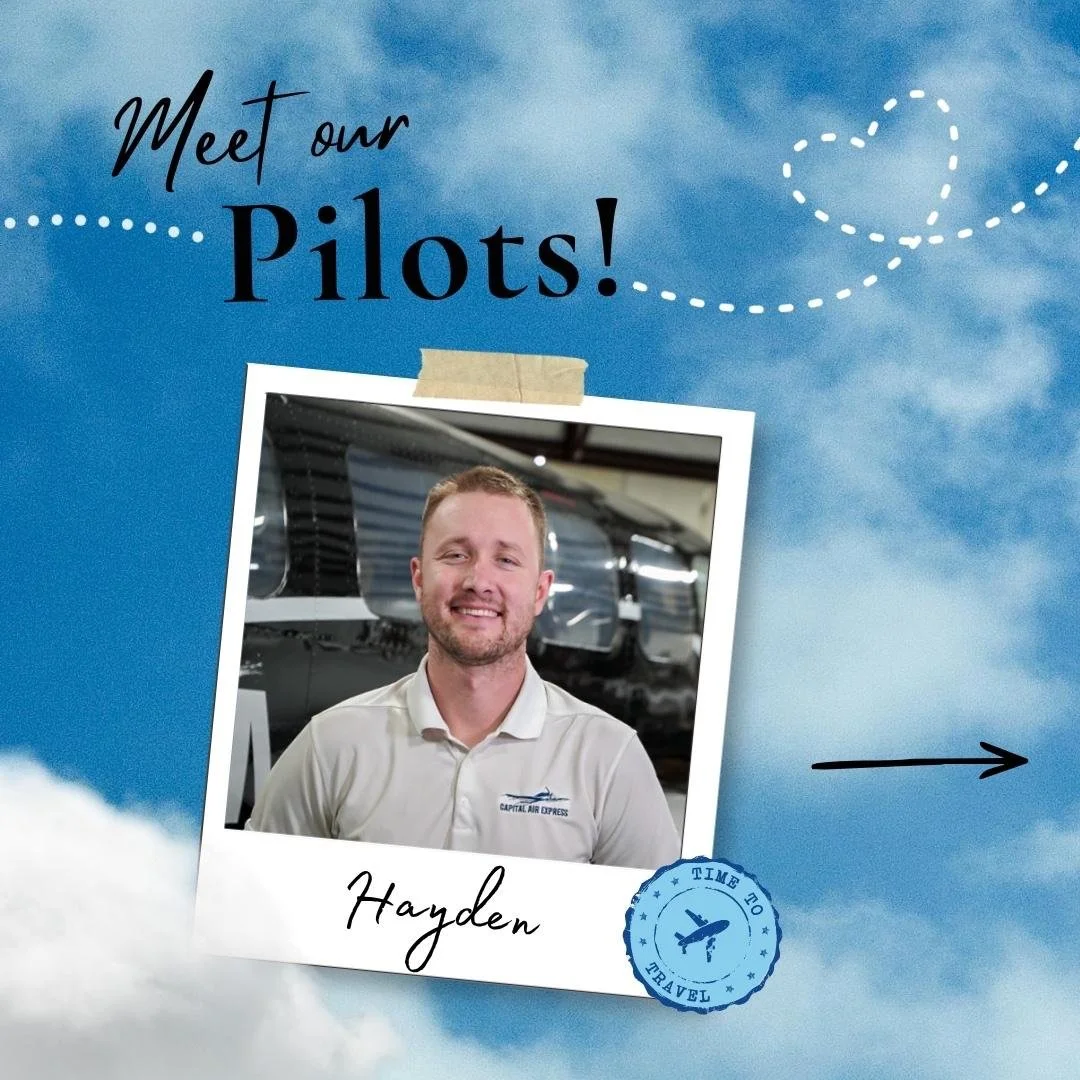
Even when there is only one pilot in the cockpit, there is an entire Capital Air Express team behind the flight. Our pilots have the support of our operations and maintenance teams before, during, and after every trip. With Starlink connectivity available aboard our aircraft, they can remain connected in flight and consult with our leadership or maintenance team if they encounter an unusual indication or simply want another experienced perspective.
The pilot in command always has ultimate authority over the safe operation of the aircraft, but they never have to feel as though they are making difficult decisions without support. Whether that means delaying a departure, diverting, returning to the airport, changing aircraft, or canceling a flight altogether, our pilots know that the safest decision will always be supported by the company.


Regular Maintenance Inspections and Oversight
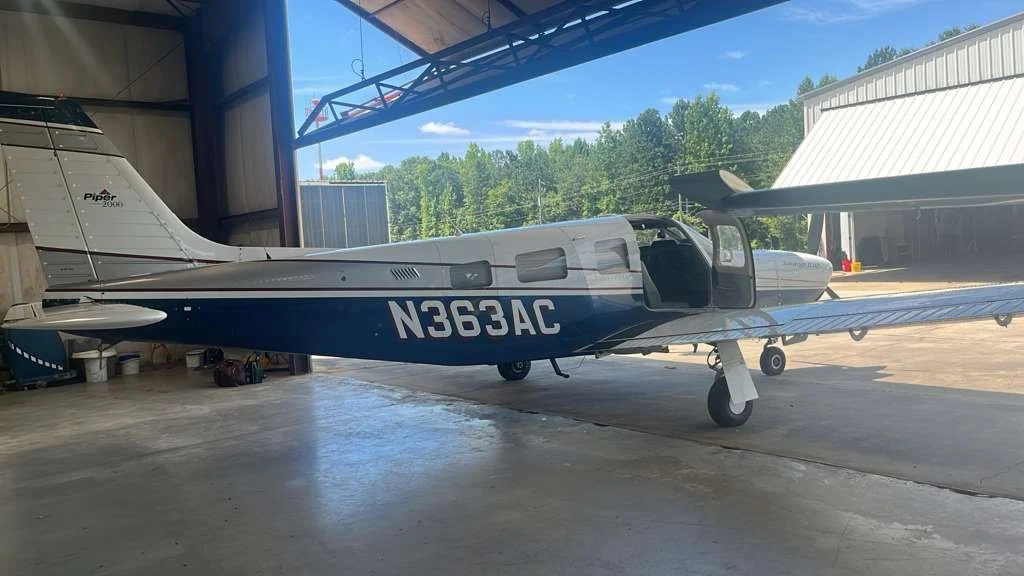
Capital Air Express aircraft are maintained 100% in-house by our sister company, Base Leg Maintenance. Our dedicated maintenance team has years of experience working specifically with these aircraft and knows our fleet inside and out. As a Part 135 charter operator, our maintenance program is also subject to FAA standards, required inspections, recordkeeping, and regulatory oversight beyond what applies to an aircraft operated strictly for personal use.
Every aircraft receives a detailed inspection every 50 flight hours, with a comprehensive inspection every 100 hours that includes removing the interior and opening inspection panels to thoroughly examine the aircraft and its systems. We go beyond simply fixing things when they break, using preventive maintenance to identify and address concerns early. This approach helps us maintain a 99% dispatch reliability rate while keeping safety at the center of everything we do—because a well-maintained aircraft should be both safe and dependable.